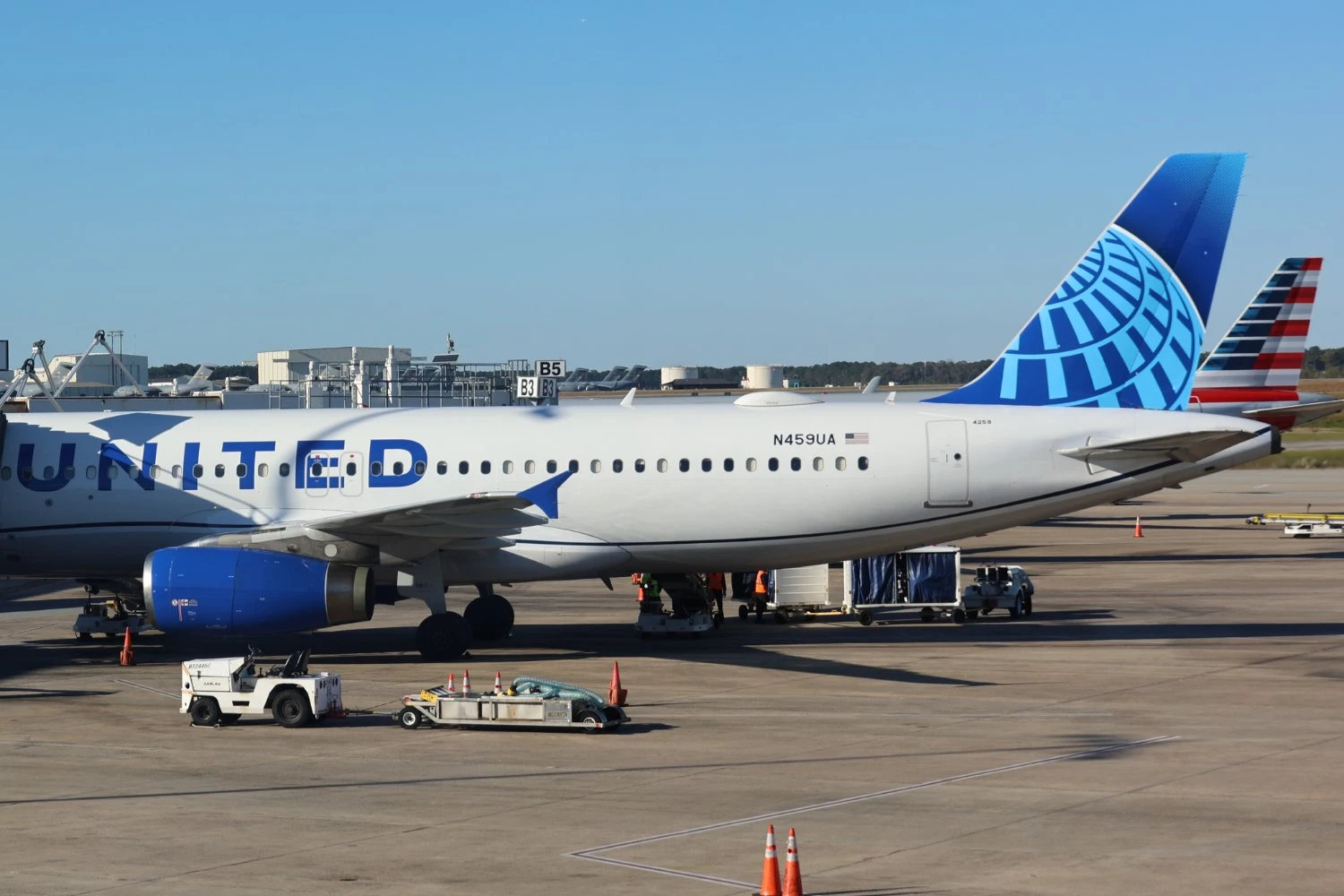
A merger between United Airlines and American Airlines would bring together one of the largest commercial fleets ever assembled, combining mainline and regional operations across both carriers.
Based on Planespotters' fleet data, United operates 1,103 mainline aircraft, while its regional arm United Express adds another 480 jets, bringing its total to 1,583 aircraft. American Airlines Group, which includes multiple regional subsidiaries, reports 1,625 aircraft in service. Together, the combined fleet would reach roughly 3,200 aircraft.
That figure would place the merged airline well ahead of Delta Air Lines, which operates about 995 mainline aircraft and roughly 486 regional jets through its partners, for a total near 1,480 aircraft. In practical terms, the United–American combination would be more than twice the size of Delta by fleet count alone.
Related news
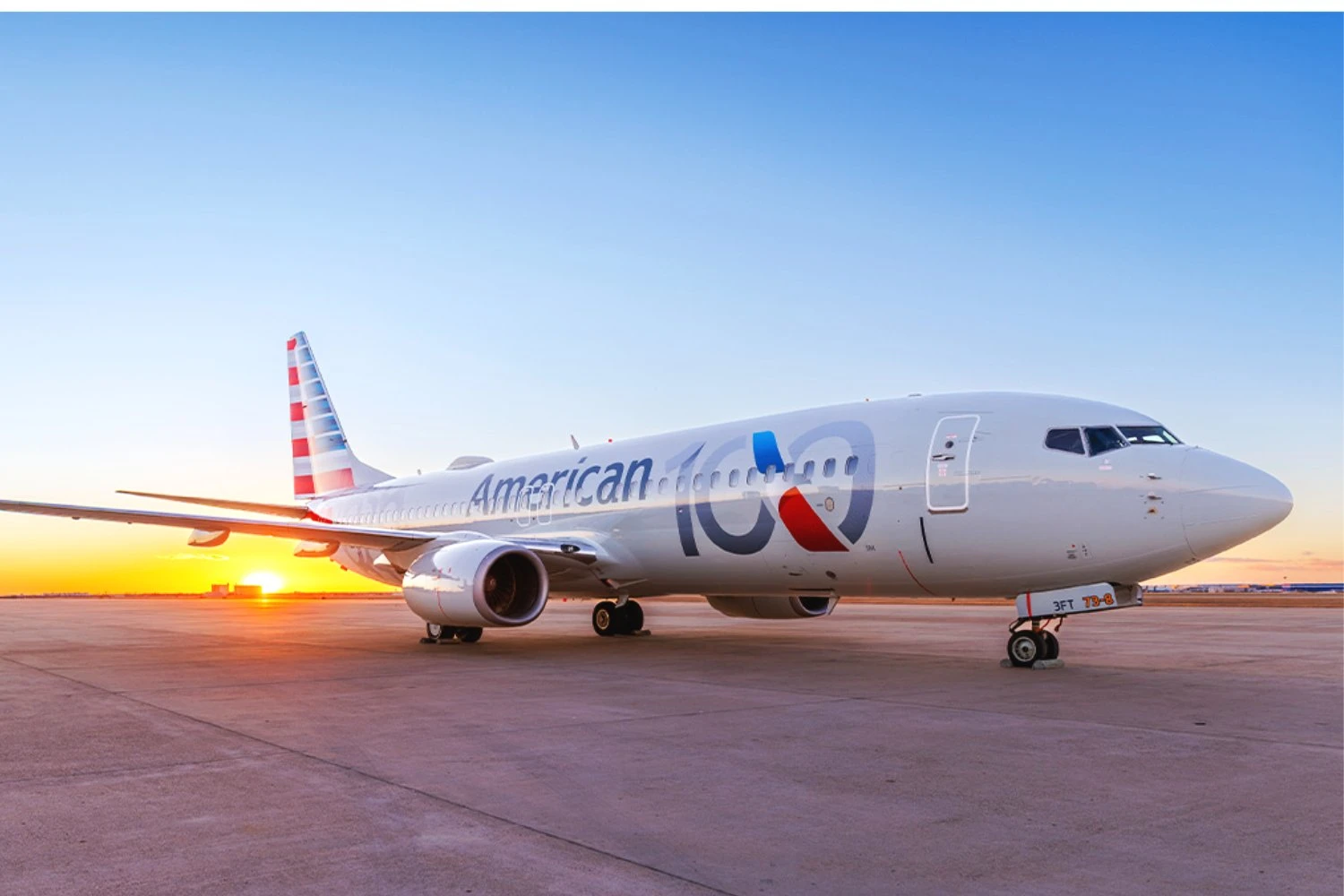
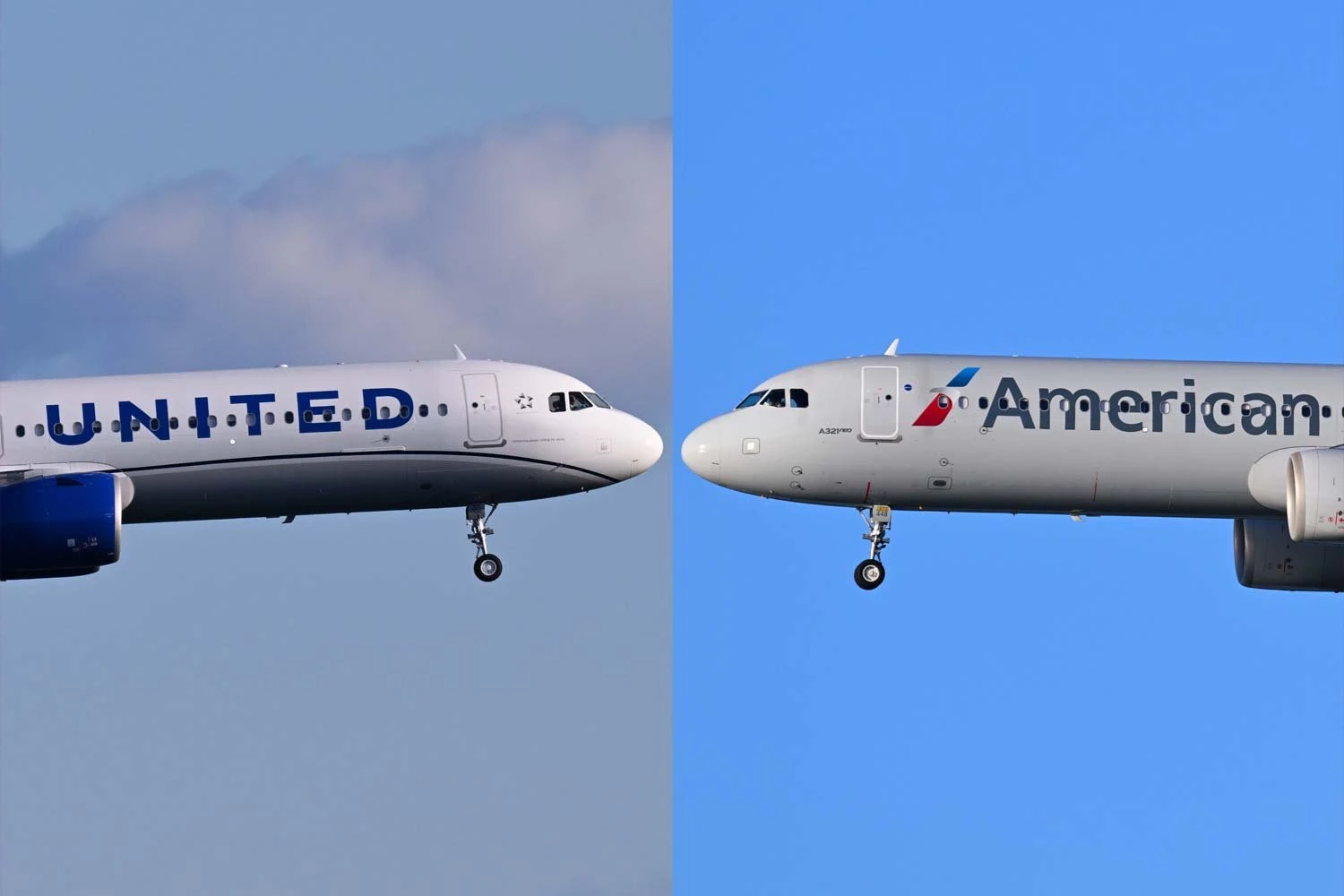
In the narrowbody segment, the merged airline would field well over 1,000 aircraft. United alone operates 600 Boeing 737s, including a growing number of 737 MAX variants, alongside Airbus A319, A320 and A321 jets. American contributes a similarly large narrowbody base, with more than 400 Boeing 737s and over 300 Airbus A321-family aircraft, including a significant number of A321neo jets. The overlap would be substantial, particularly in the 737-800/MAX and A321 categories, which form the backbone of domestic operations.
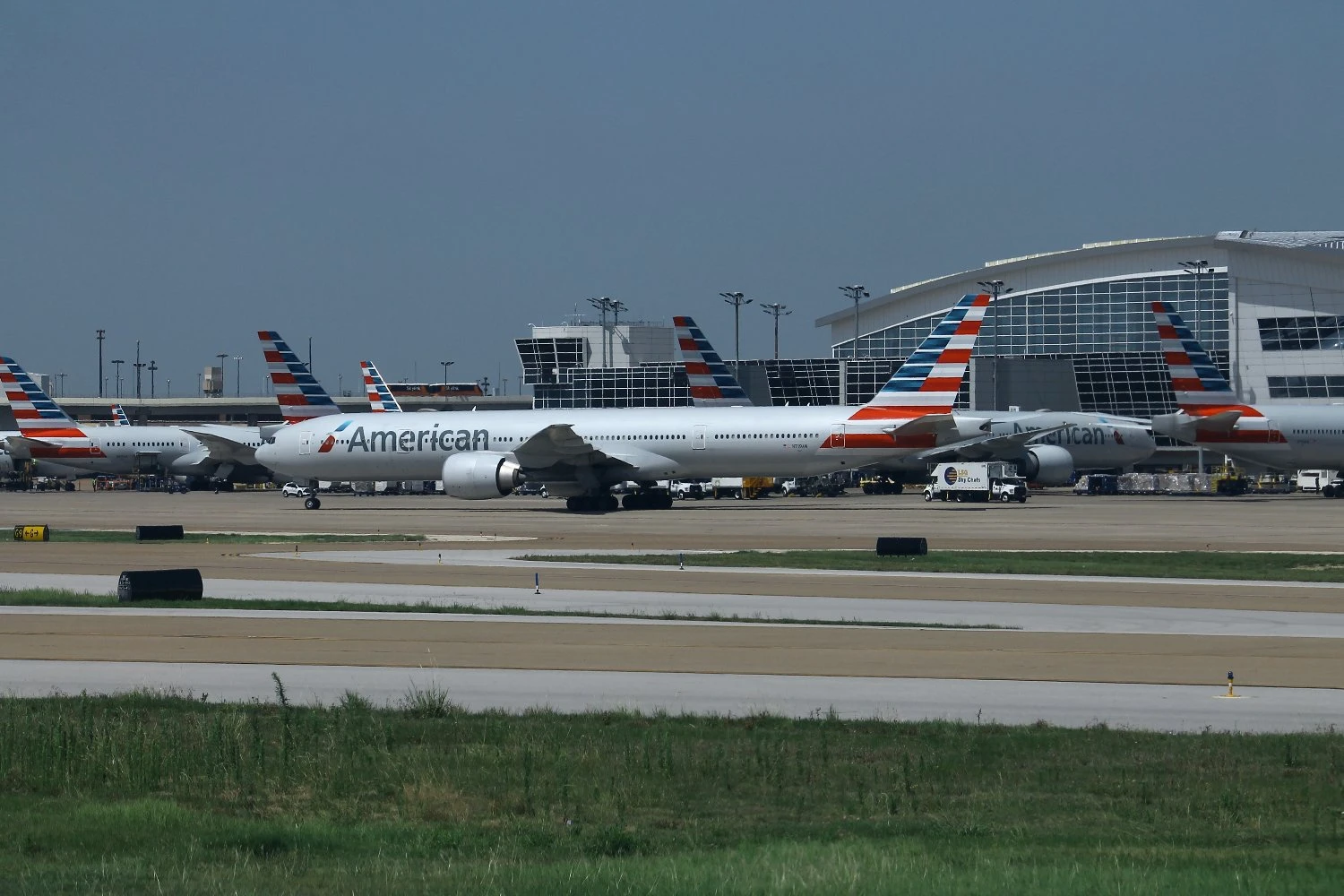
Widebody operations would also scale significantly. United’s fleet includes 96 Boeing 777s and 85 787 Dreamliners, while American adds 67 777s and 70 787s. Combined, the airline would control more than 300 long-haul aircraft, giving it one of the largest intercontinental fleets globally, with strong coverage across both the Atlantic and Pacific markets.
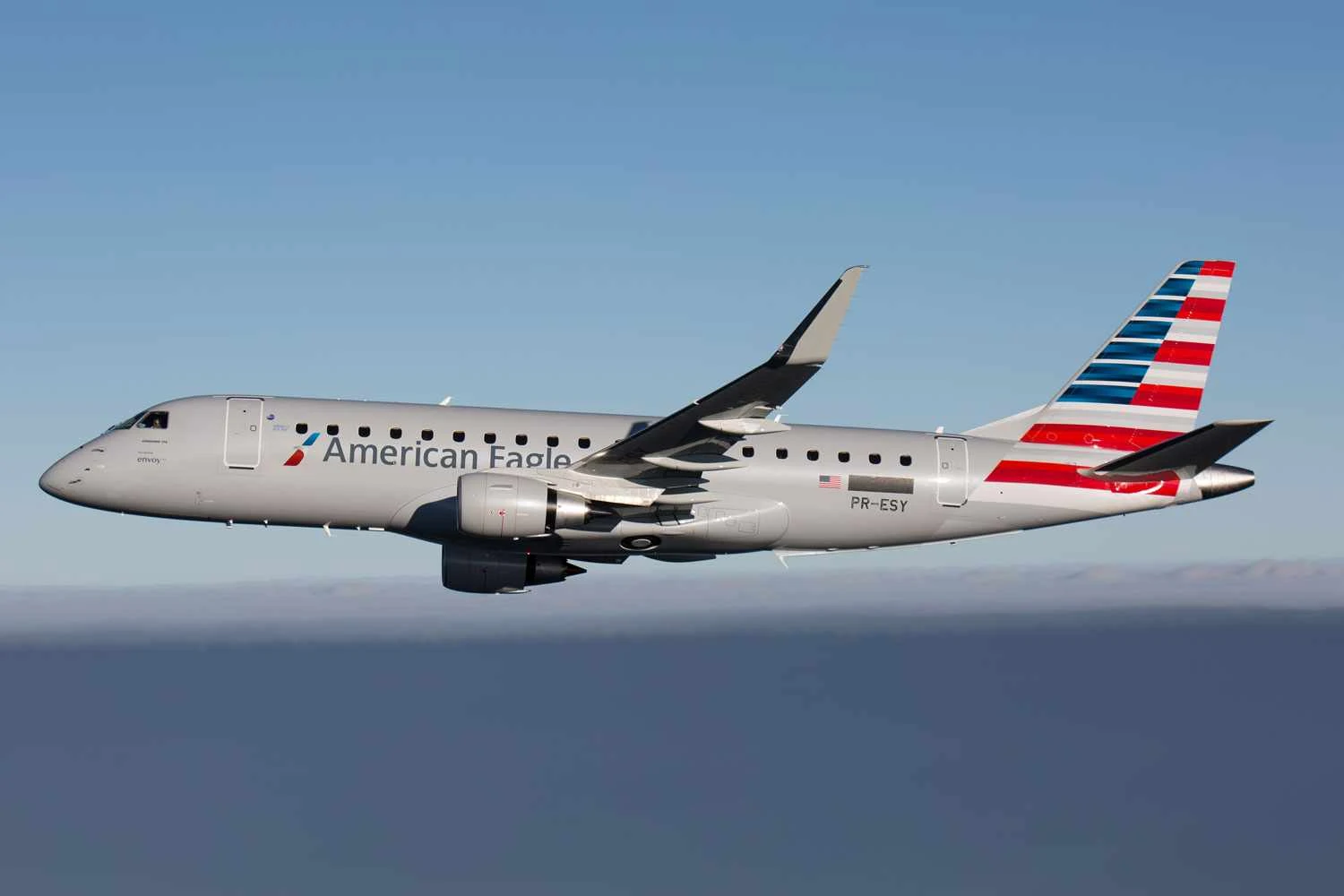
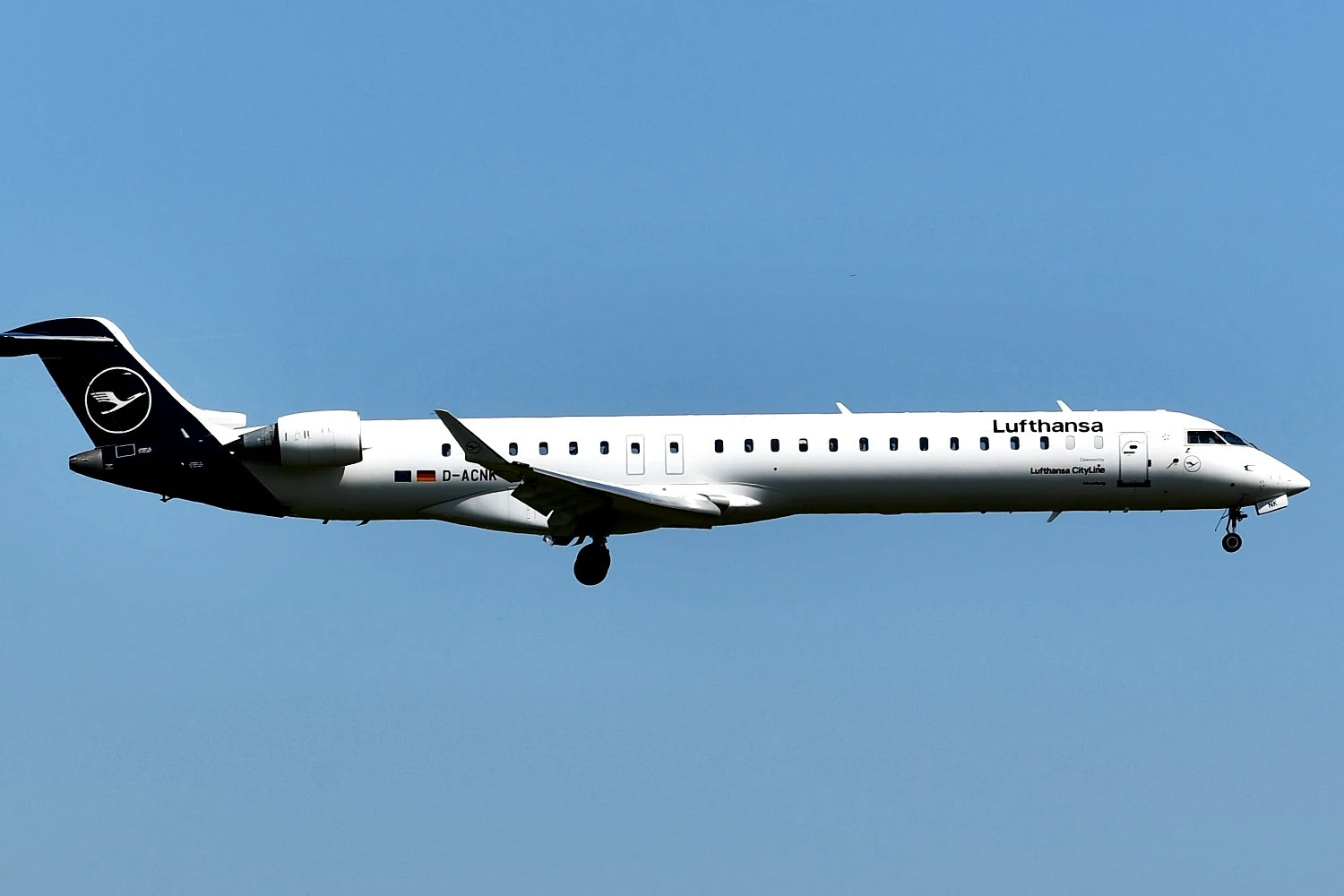
Regional operations would remain a key component. United Express alone operates more than 400 aircraft, largely Embraer E-Jets and Bombardier CRJ-family jets, while American’s regional partners add hundreds more aircraft of similar types. This would result in a regional fleet exceeding 800 aircraft, feeding traffic into major hubs across the United States.
More than $110billion in annual revenue
According to Reuters, the combined airline would also dominate several key operational metrics. Using 2025 data, United and American already rank among the largest airlines globally by capacity, measured in available seat kilometers, ahead of Delta. A merger would consolidate that position and widen the gap.
Recent news
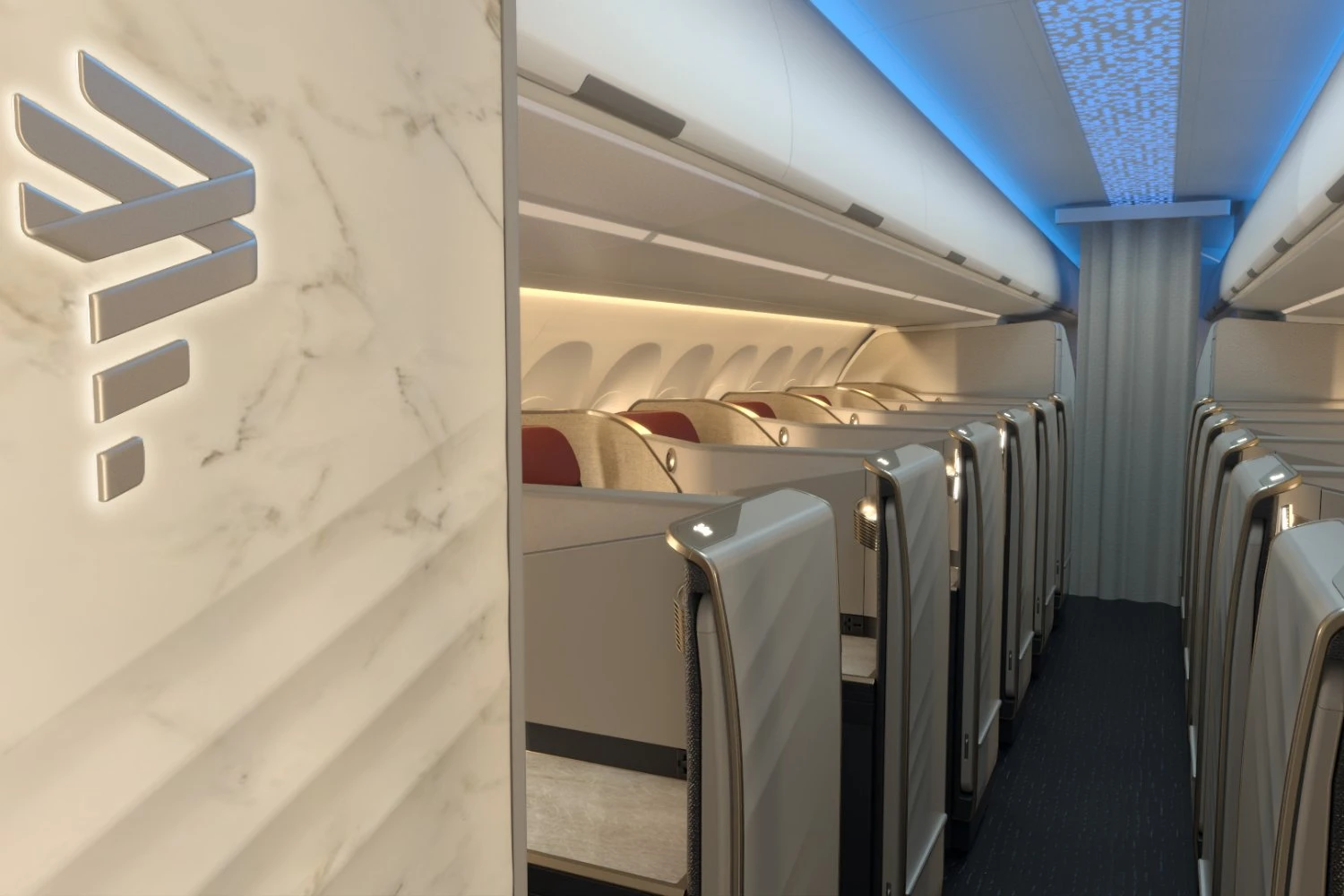
Financial comparisons show a similar scale effect. Reuters data indicate that a combined United–American entity would generate more than $110 billion in annual revenue, compared with about $63 billion for Delta and roughly $28 billion for Southwest Airlines. Profit figures are closer, with United and American together producing under $4 billion, broadly in line with Delta’s earnings.
The hub structure would further illustrate the scale of the operation. United’s major bases in Chicago, Denver, Houston and Newark would be combined with American’s strongholds in Dallas/Fort Worth, Charlotte and Miami. In several of these airports, particularly Chicago and Dallas, the overlap would create dominant positions in terms of traffic share and connectivity.
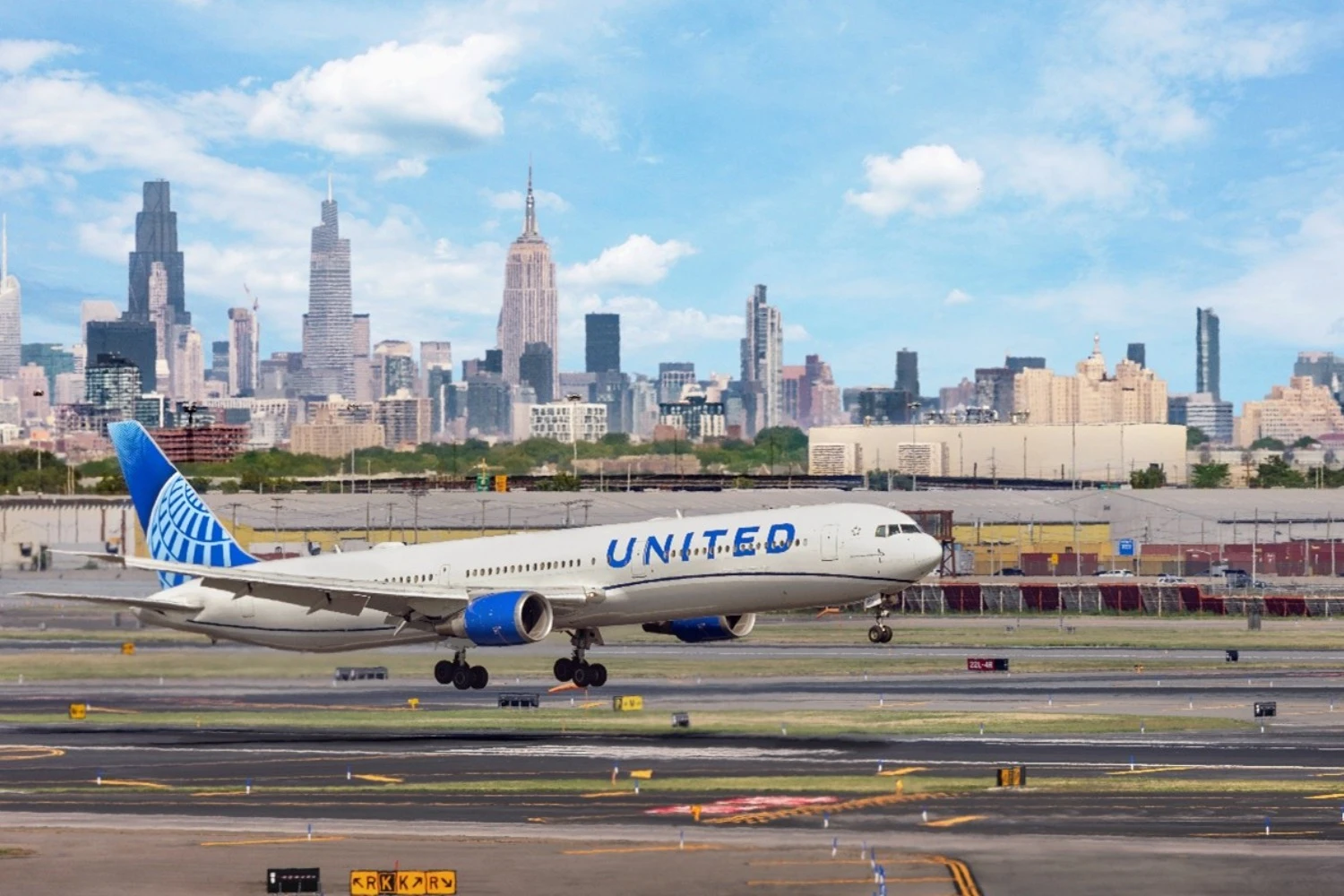
Taken together, the fleet size, network reach and financial footprint suggest that a combined United–American airline would operate at a scale unmatched in the U.S. market, with a global presence comparable to the largest airline groups worldwide.
Despite these gains in scale, a merger of this magnitude would likely face strong opposition due to its impact on competition, with fewer choices for passengers and upward pressure on fares.
American and United fleets combined
| Aircraft type | United + United Express | American Airlines Group | Combined total |
|---|---|---|---|
| Airbus A319-100 | 75 | 132 | 207 |
| Airbus A320-200 | 67 | 48 | 115 |
| Airbus A321-200 | 0 | 218 | 218 |
| Airbus A321neo | 66 | 86 | 152 |
| Boeing 737-700 | 40 | 0 | 40 |
| Boeing 737-800 | 141 | 303 | 444 |
| Boeing 737-900 | 12 | 0 | 12 |
| Boeing 737-900ER | 136 | 0 | 136 |
| Boeing 737 MAX 8 | 123 | 98 | 221 |
| Boeing 737 MAX 9 | 148 | 0 | 148 |
| Boeing 757-200 | 40 | 0 | 40 |
| Boeing 757-300 | 21 | 0 | 21 |
| Boeing 767-300 | 37 | 0 | 37 |
| Boeing 767-400 | 16 | 0 | 16 |
| Boeing 777-200 | 74 | 47 | 121 |
| Boeing 777-300ER | 22 | 20 | 42 |
| Boeing 787-8 | 12 | 37 | 49 |
| Boeing 787-9 | 52 | 33 | 85 |
| Boeing 787-10 | 21 | 0 | 21 |
| Bombardier CRJ-200 | 77 | 0 | 77 |
| Bombardier CRJ-450 | 1 | 0 | 1 |
| Bombardier CRJ-550 | 77 | 0 | 77 |
| Bombardier CRJ-700 | 14 | 127 | 141 |
| Bombardier CRJ-900 | 0 | 94 | 94 |
| Embraer ERJ-145 | 64 | 91 | 155 |
| Embraer ERJ-170 | 0 | 56 | 56 |
| Embraer ERJ-175 | 247 | 235 | 482 |
| Total | 1583 | 1625 | 3208 |


