 Technology
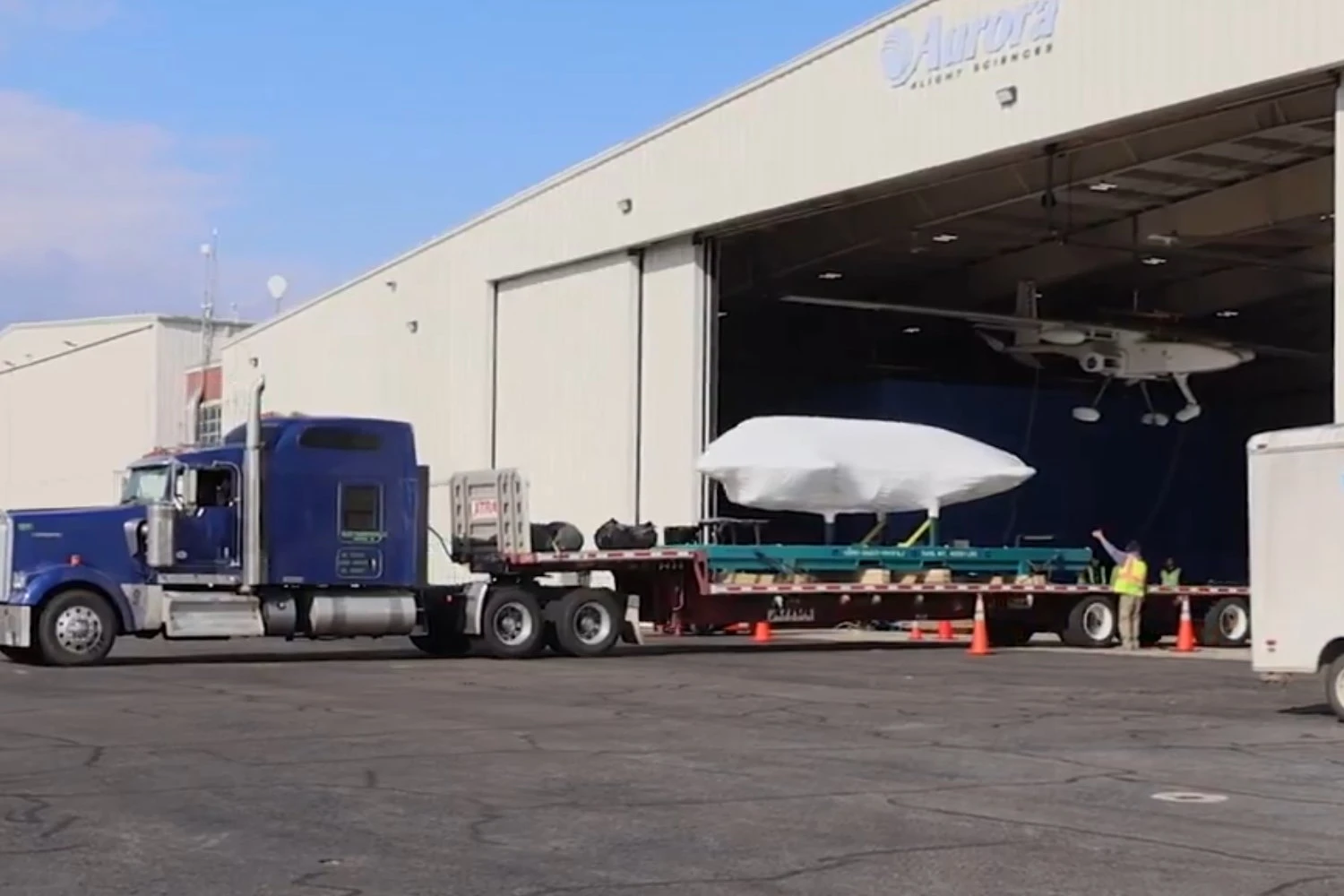
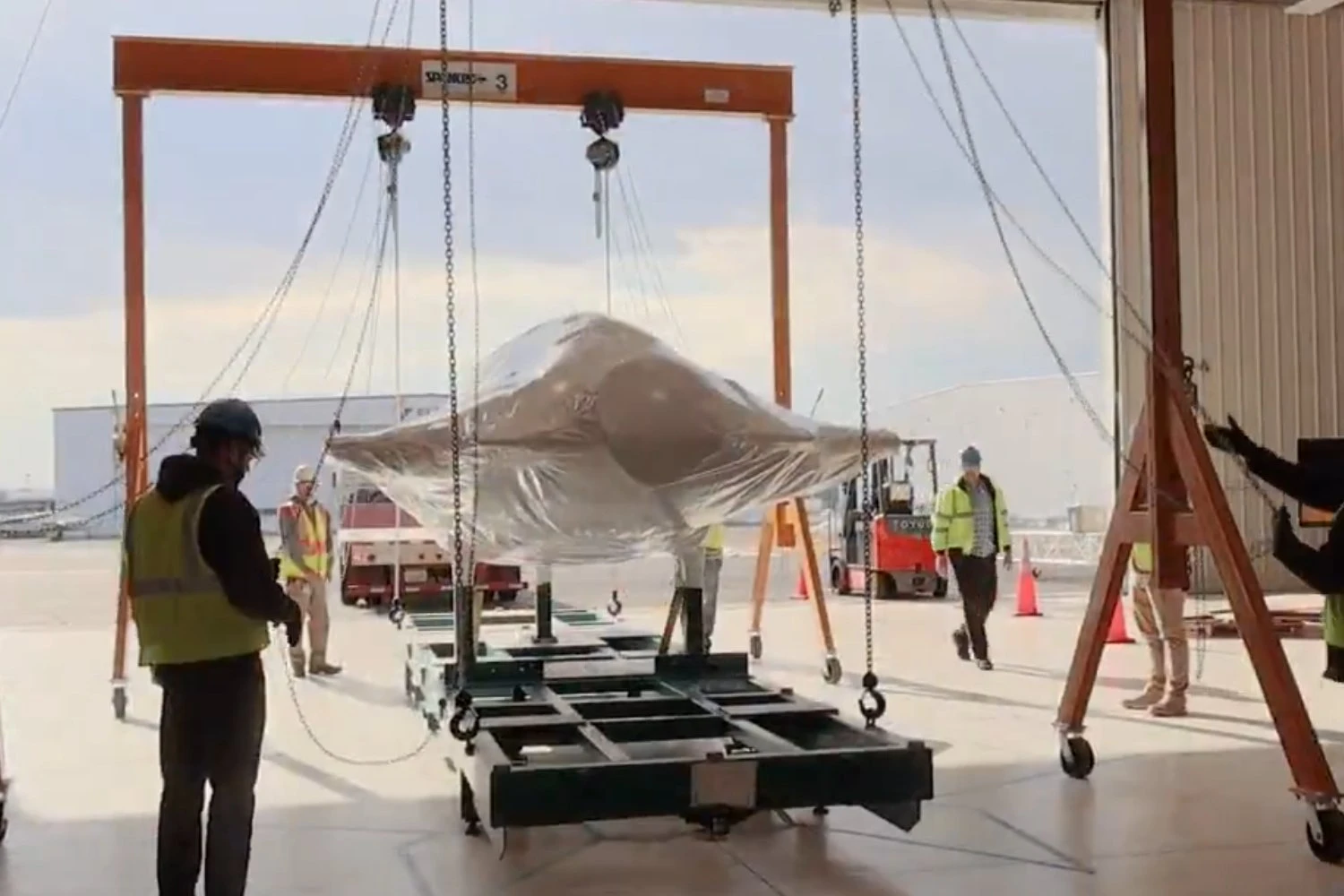
Aurora Flight Sciences has reached a new milestone in the development of its X-65 experimental aircraft, with the fuselage delivered to the company’s facility in Virginia as final assembly gets underway.
The update was shared by the Boeing subsidiary in a social media post, confirming that the structure arrived in February and that work is now progressing toward integration and build-up of the aircraft. The X-65 is being developed in partnership with the U.S. Defense Advanced Research Projects Agency (DARPA), with a first flight targeted for 2027.
The program is part of DARPA’s Control of Revolutionary Aircraft with Novel Effectors (CRANE) initiative, which aims to validate active flow control as a substitute for conventional flight control surfaces.
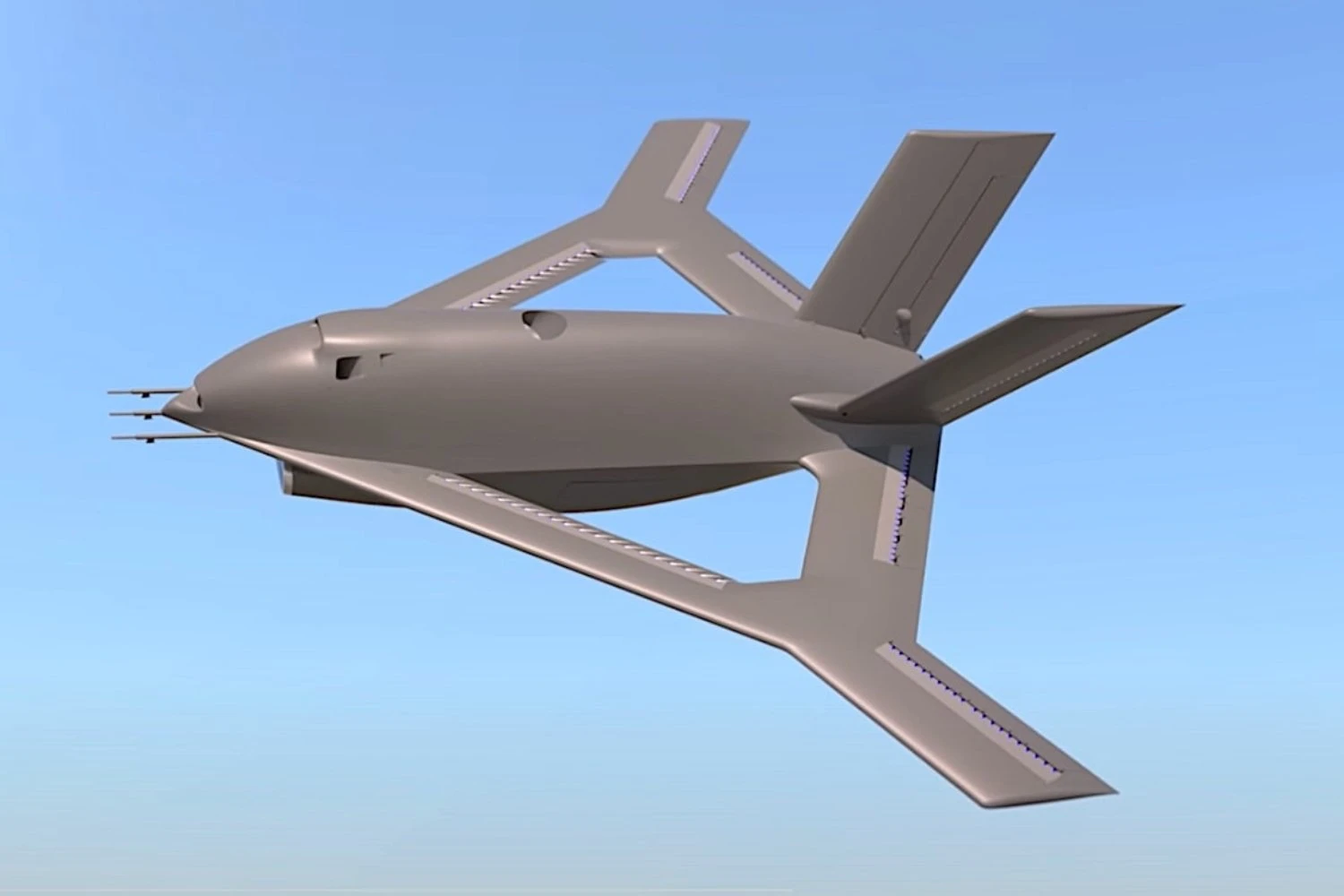
Instead of relying on moving components such as flaps, ailerons and rudders, the X-65 is designed to maneuver using jets of pressurized air distributed across the airframe. These airflow jets adjust lift and stability, controlling pitch, roll and yaw without mechanical actuators.
Aurora and DARPA agreed in 2025 to jointly fund the completion and flight testing of the aircraft, advancing the program beyond its earlier design phases into manufacturing and assembly.
The X-65 has been purpose-built as a test platform, with a wingspan of about 30 feet and a maximum takeoff weight of roughly 7,000 pounds. Its configuration includes a triangular wing and a modular architecture that allows engineers to swap outer wing sections and active flow control effectors for different test scenarios.
Key components, including propulsion systems and airflow control hardware, have already been manufactured and are ready for integration as the aircraft moves into the next phase of assembly.
If successful, the demonstrator could open the door to future aircraft designs with fewer moving parts, lower weight and reduced mechanical complexity, particularly in military applications where survivability and maintenance are critical factors.