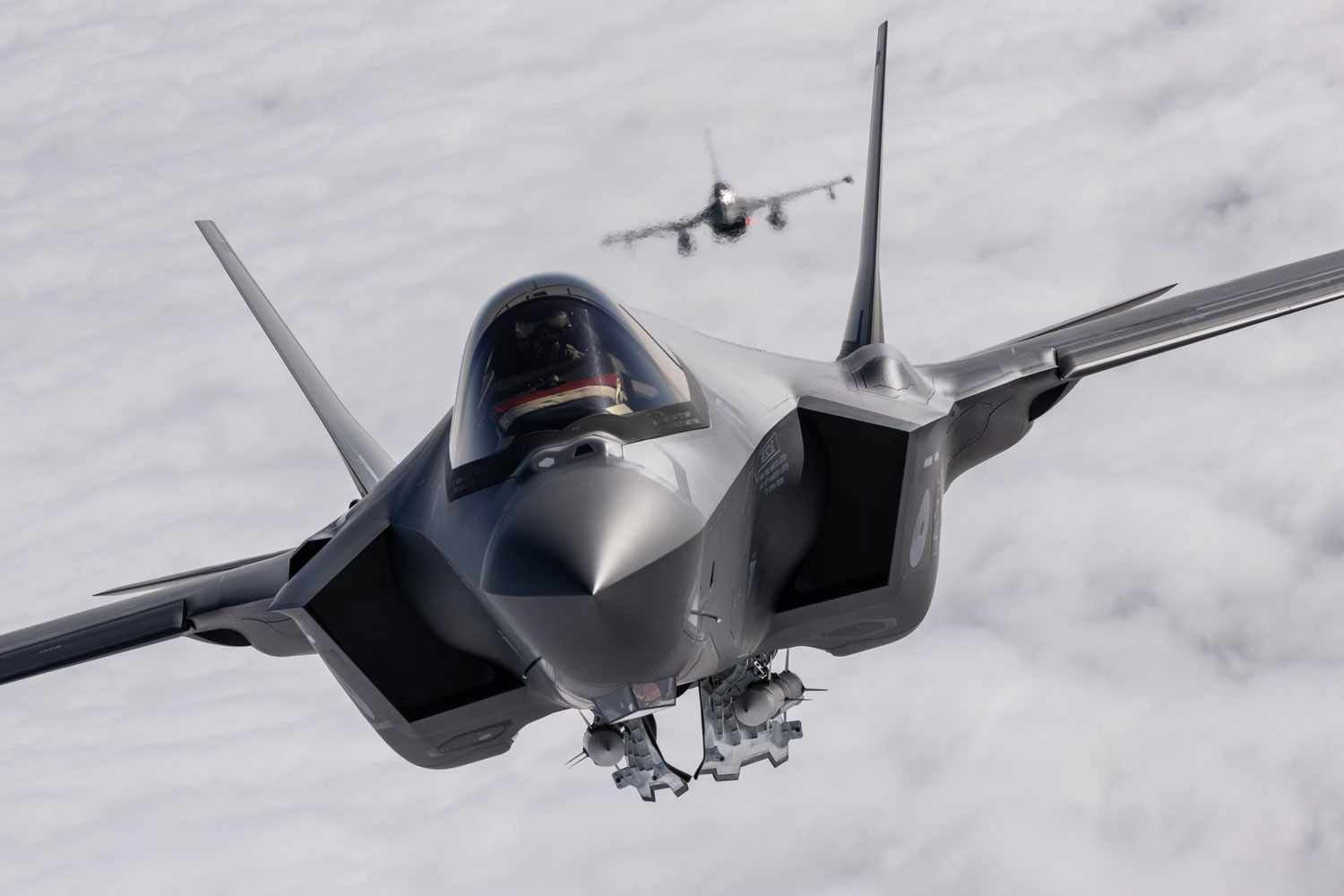
The US State Department has approved a potential $24.3 billion sale of 48 Lockheed Martin F-35A Lightning II fighters to Saudi Arabia.
Congress was notified of the proposed Foreign Military Sale on September 17. The package includes 49 Pratt & Whitney F135-PW-100 engines, communications equipment, spare parts, training and logistical support.
The decision follows President Donald Trump's announcement in November 2025 that Washington intended to allow Riyadh to acquire the stealth fighter. The proposed transaction is now subject to a 30-day congressional review.
If completed, the acquisition would make Saudi Arabia the first Arab country to operate the F-35. Israel has flown the aircraft since 2016 and remains its only operator in the Middle East.
Follow Air Data News: WhatsApp | Instagram | LinkedIn | Twitter | Facebook
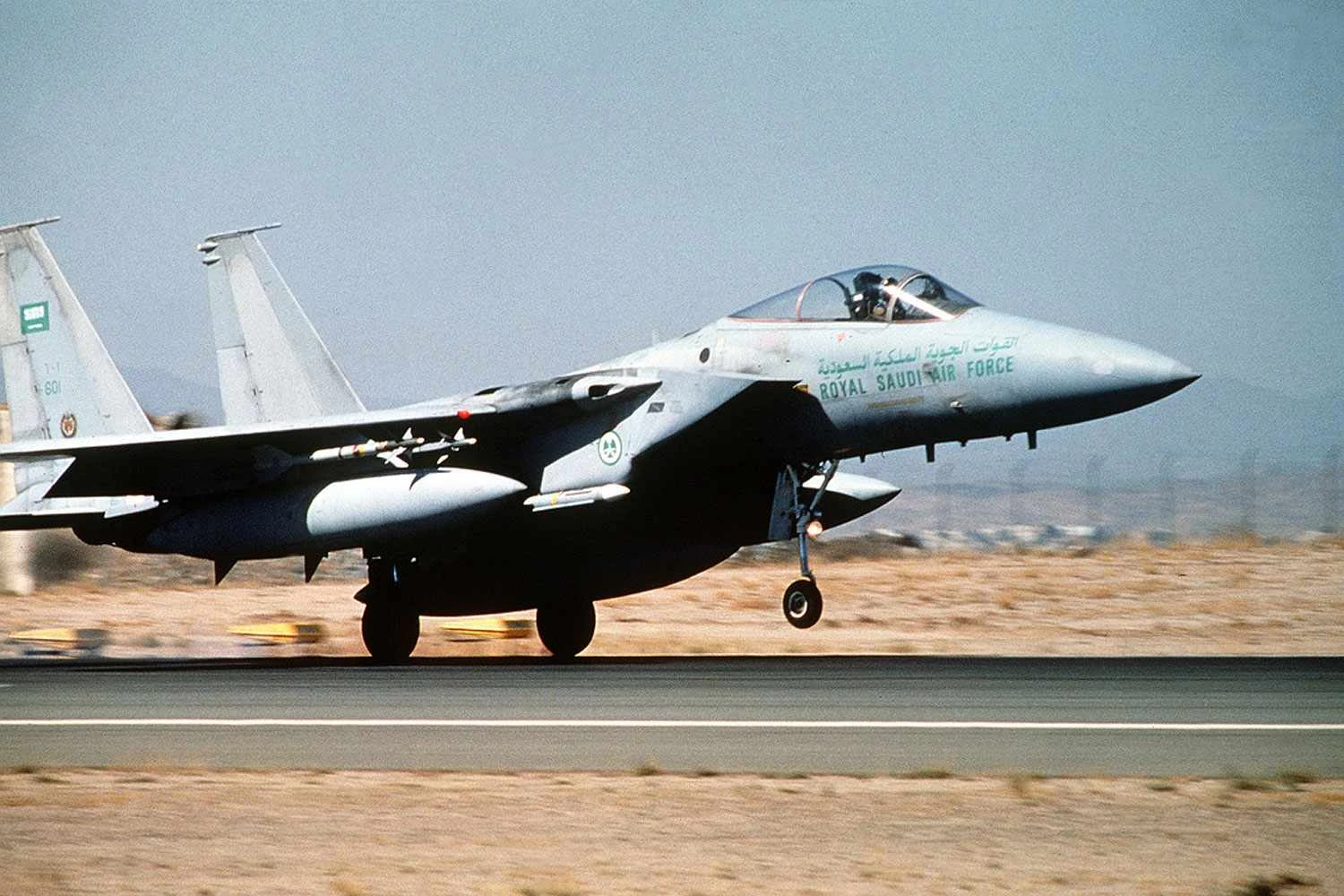
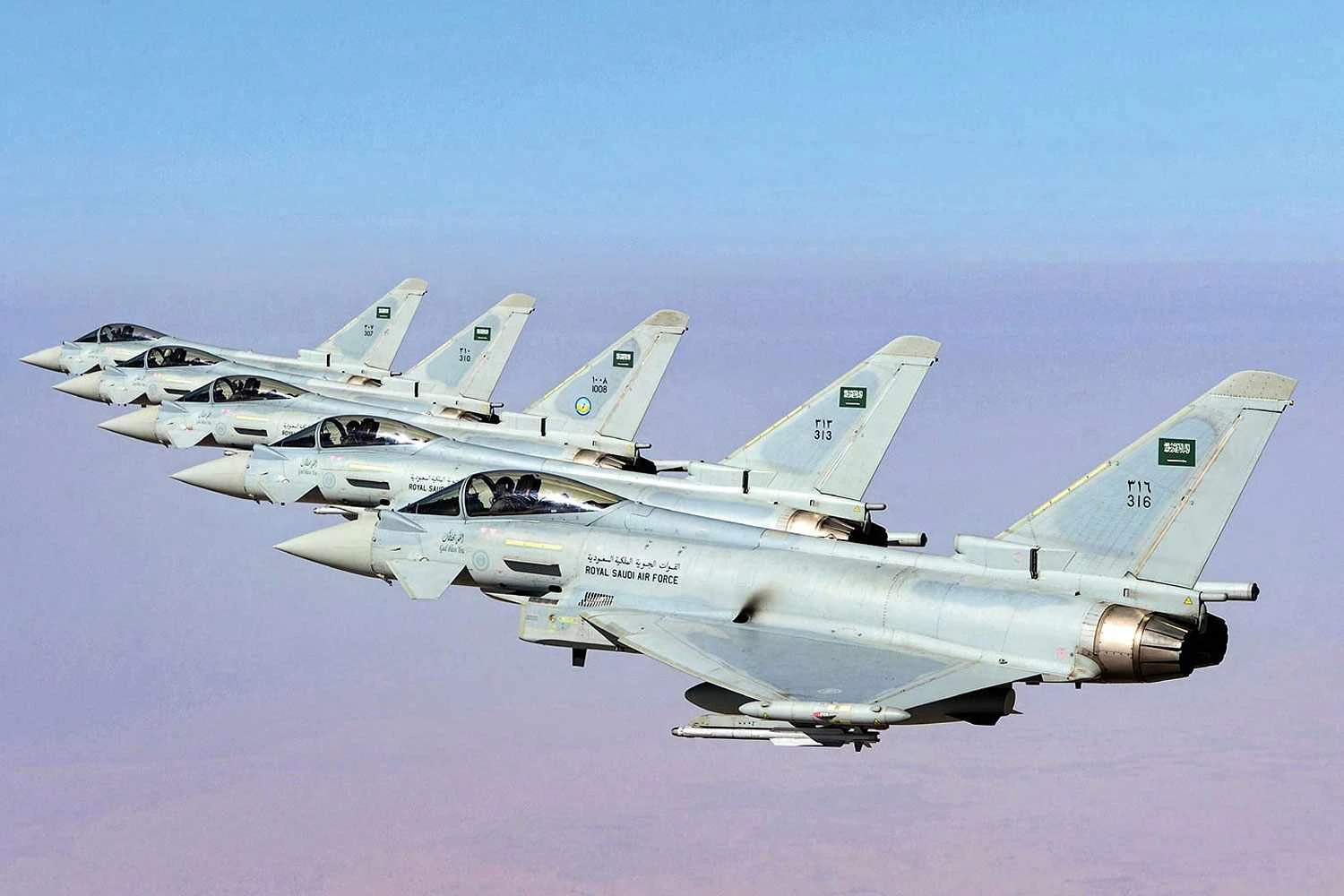
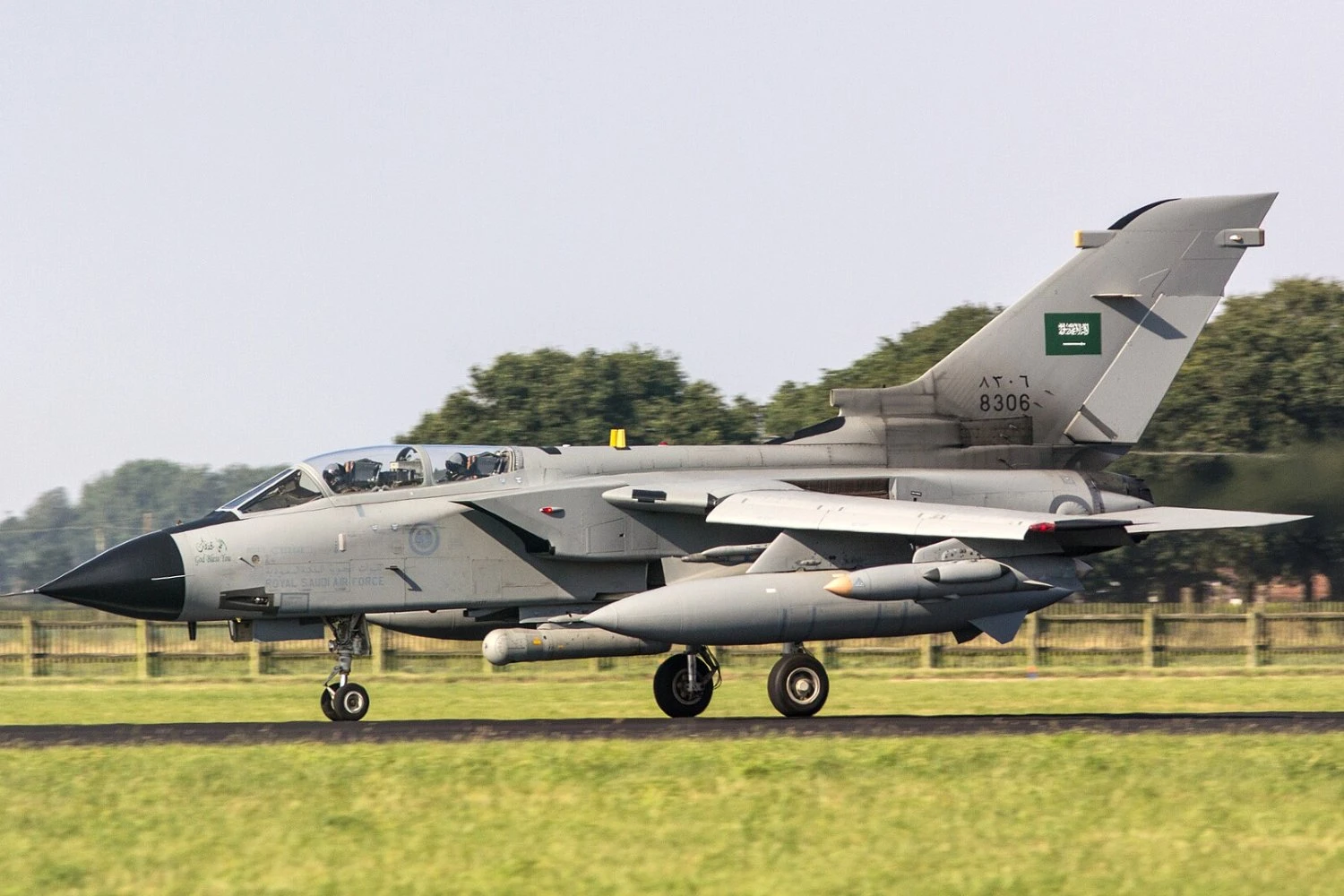
The Royal Saudi Air Force currently relies mainly on Boeing F-15s and Eurofighter Typhoons for its fighter force. Its older Panavia Tornado IDS aircraft are approaching retirement.
Saudi interest in the F-35 was publicly visible at the World Defense Show in Riyadh in February 2026, where a full-scale F-35A mock-up was displayed in Royal Saudi Air Force markings.
Israel's qualitative military edge
Any Saudi F-35 acquisition must also be assessed against US legal requirements to preserve Israel's qualitative military edge (QME) in the Middle East.
Israel operates the locally modified F-35I Adir. The State Department said the proposed Saudi sale would not alter the basic military balance in the region, but the public notification does not explain how Washington reached that assessment.
It also provides no indication that Saudi Arabia would receive a deliberately downgraded version of the F-35A.
Washington has dealt with the issue in previous Saudi arms sales. After approving the F-15SA for Riyadh in 2010, the US also provided Israel with additional military capabilities, including more F-35s.
Chinese ties raise security concerns
Saudi Arabia's relationship with China is another issue surrounding the proposed acquisition. US officials have raised concerns about protecting sensitive F-35 technology from possible Chinese access.
An American intelligence assessment examined safeguards that could include restricting access to facilities containing F-35 technology and addressing Chinese equipment in communications infrastructure.
The issue has a recent precedent in the region. The United Arab Emirates received US approval in 2020 to acquire up to 50 F-35As, but negotiations later stalled amid disagreements over US security requirements and concerns about Abu Dhabi's relationship with China. The UAE never received the aircraft.
Saudi Arabia is also discussing further work on its F-15 fleet with Boeing, including upgrades and potential additional fighters based on the F-15EX standard. The F-35 would therefore add a low-observable aircraft to a combat fleet that Riyadh is modernizing through multiple programs.
