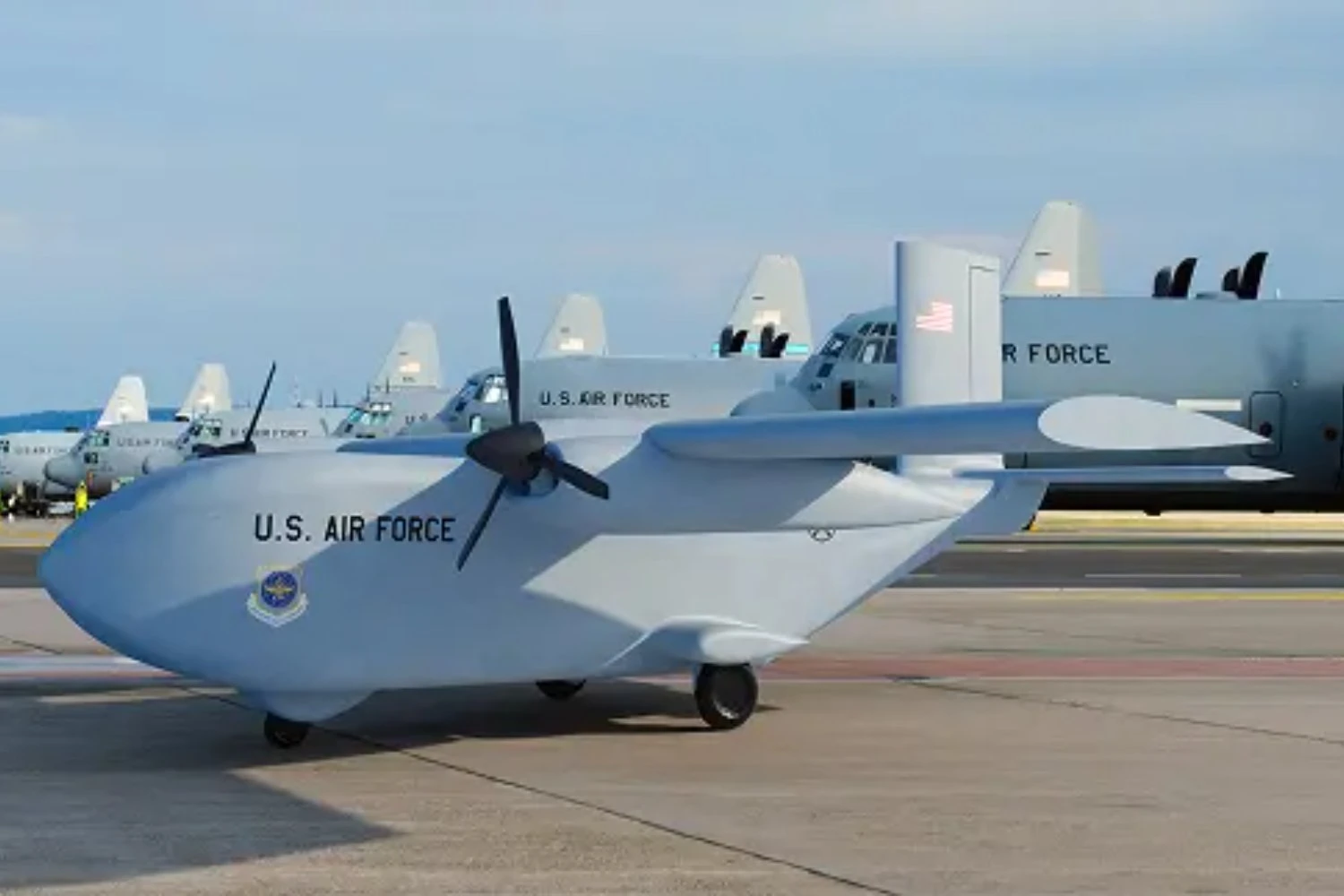
U.S. lawmakers want the Air Force to move forward with evaluating autonomous cargo aircraft for future logistics missions in wartime conditions.
Under provisions included in the House Armed Services Committee's draft version of the Fiscal Year 2027 National Defense Authorization Act (NDAA), the Air Force would be required to brief Congress on efforts related to autonomous intratheater airlift and commercially available unmanned cargo aircraft prototypes.
Related news
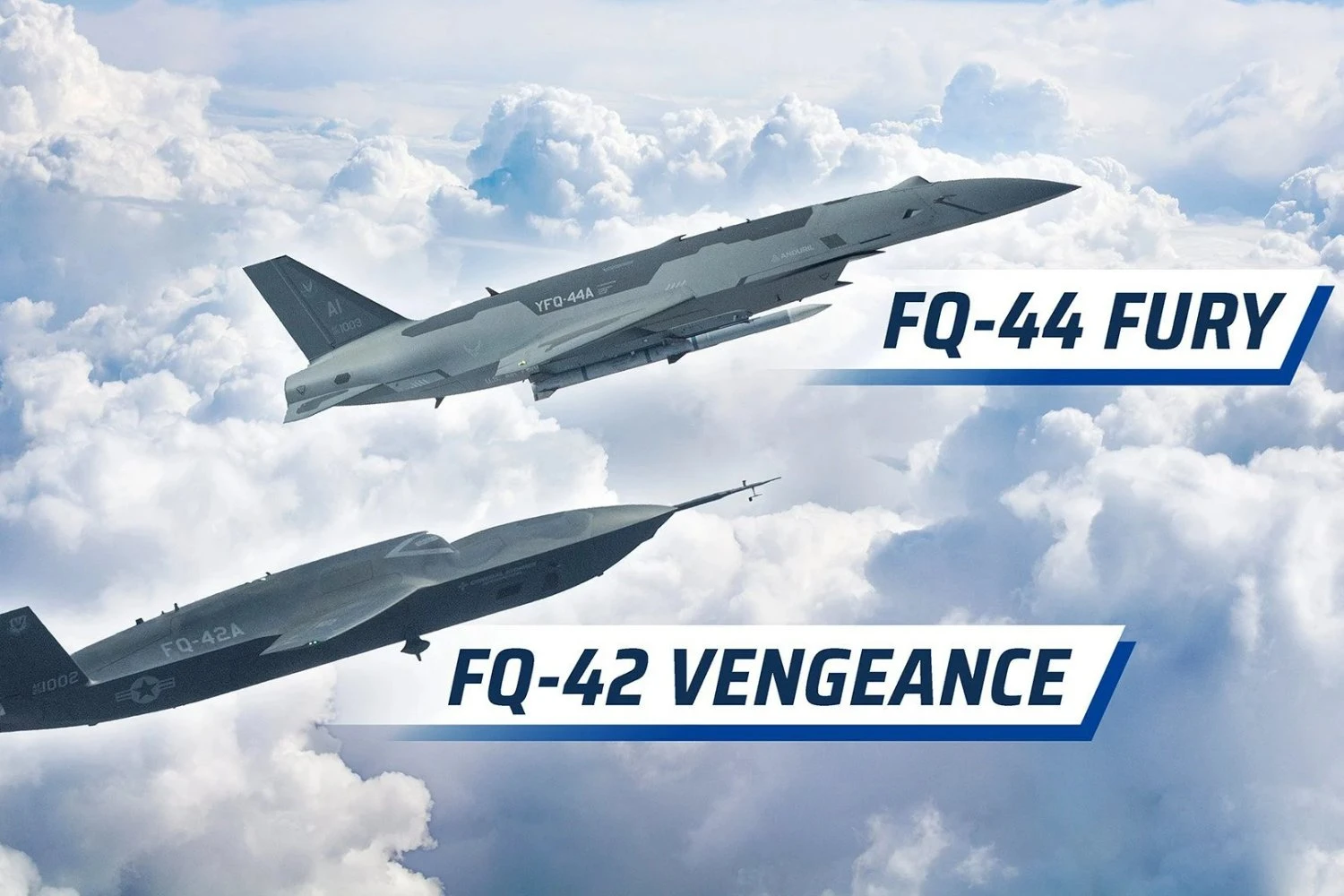
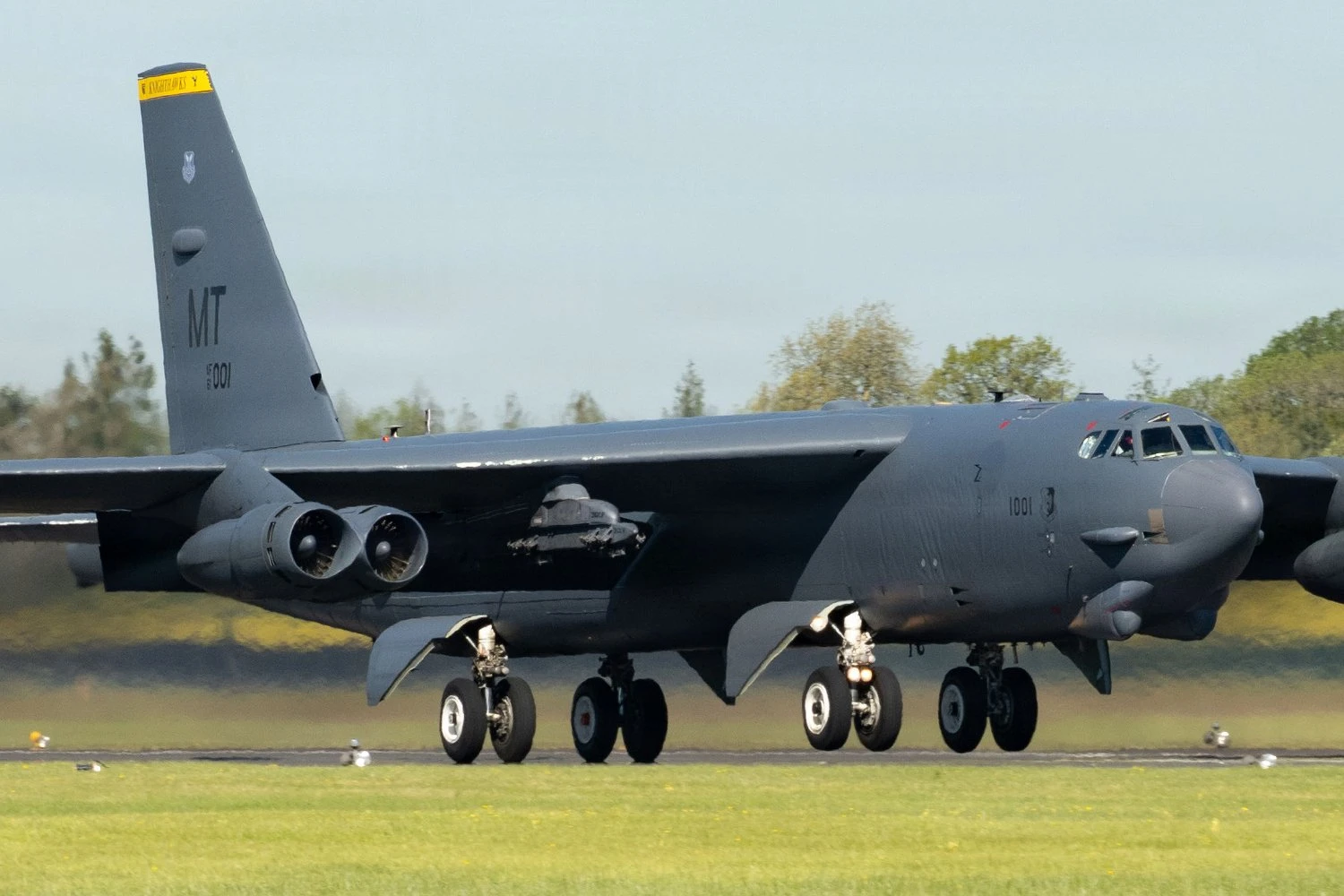
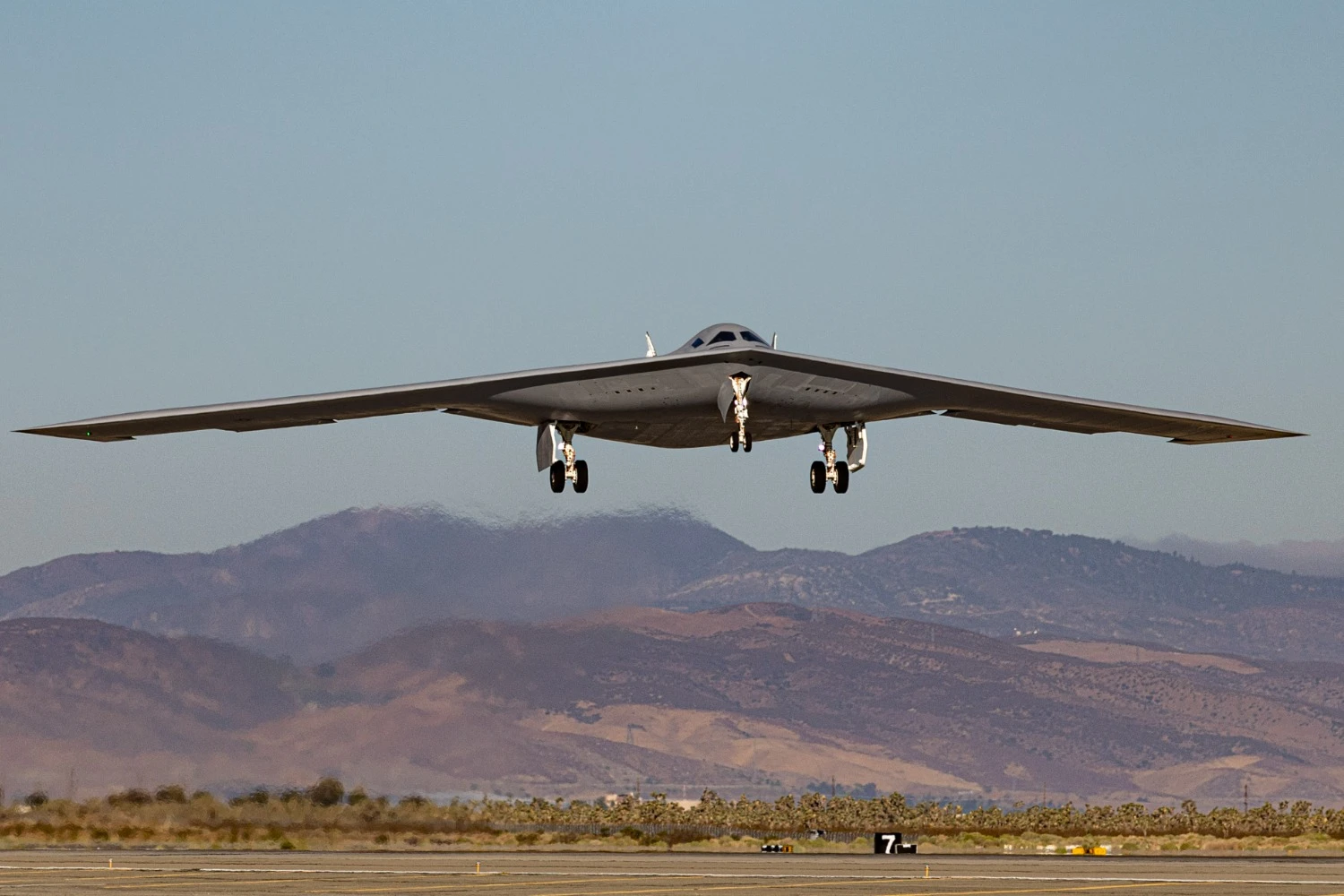
The proposal is closely tied to the service's Agile Combat Employment (ACE) concept, which envisions small groups of personnel operating from dispersed airfields across the Pacific. The approach is intended to complicate enemy targeting but creates significant logistical challenges, particularly when it comes to moving fuel, spare parts, ammunition and other supplies between remote locations.
Lawmakers are seeking details on testing schedules for autonomous airlift prototypes and a timeline for developing a potential acquisition strategy. The legislation also calls for an evaluation of low-cost, attritable unmanned aircraft for logistics missions in battlefield conditions.
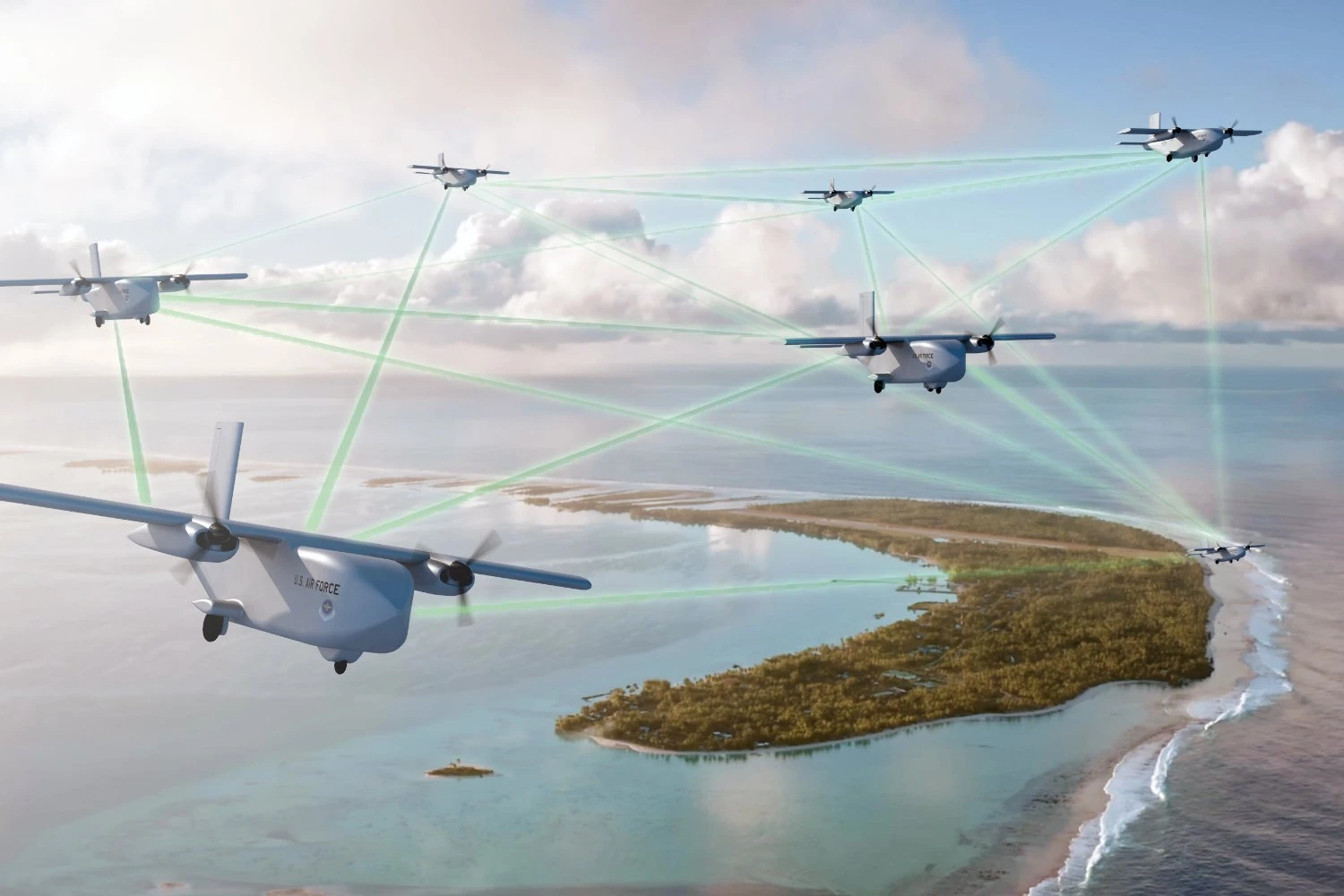
Grid Aero Lifter Lite cargo drone | Grid Aero 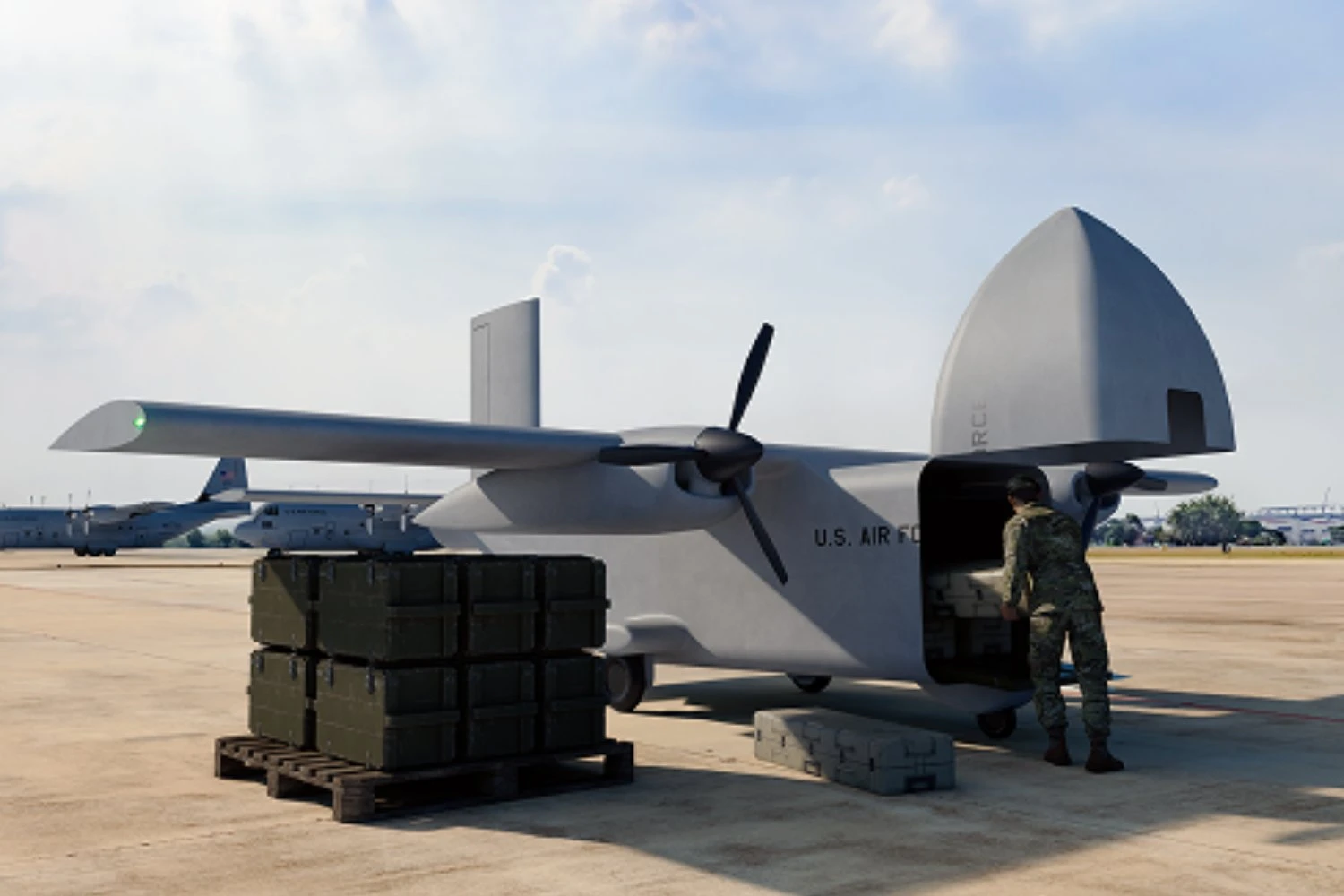
Grid Aero Lifter Lite cargo drone | Grid Aero
8,000 pounds of payload
While the concept remains at an early stage within the U.S. military, several companies are already developing aircraft aimed at that role. One example is Grid Aero's Lifter Lite, an autonomous cargo aircraft designed to carry up to 8,000 pounds (3,630 kg) of payload over distances of about 1,500 miles (2,400 km). The company describes the aircraft as a low-cost logistics platform capable of operating from austere locations and being managed as part of a distributed fleet.
Follow Air Data News: WhatsApp | Google News | Instagram | LinkedIn | Twitter | Facebook
Unlike traditional military airlifters, which rely on large aircraft and highly trained crews, concepts such as the Lifter Lite emphasize affordability, autonomous operation and the ability to continue functioning even if some aircraft are lost during a conflict.
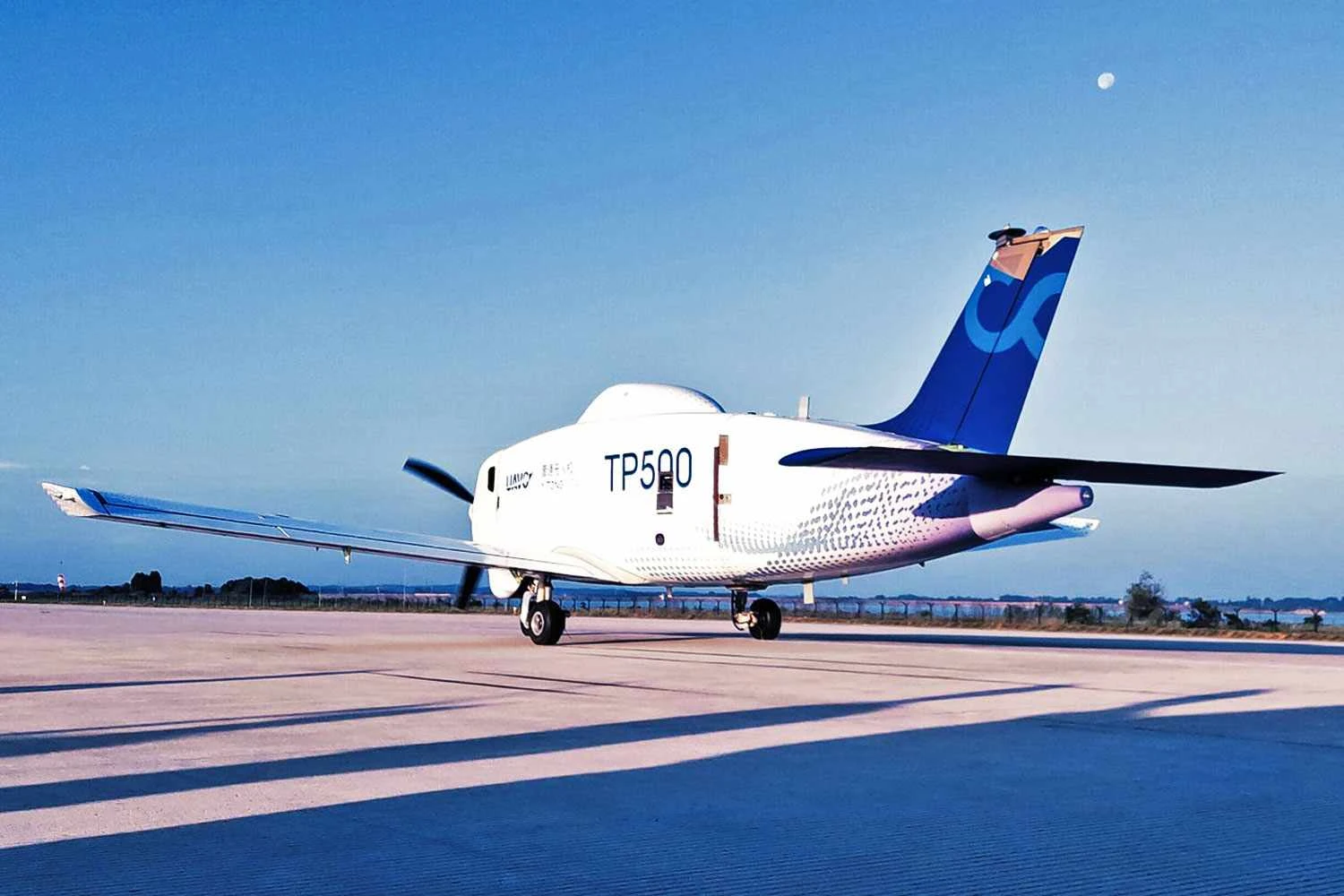
China has also been investing in autonomous cargo aircraft. In 2022, state-owned AVIC conducted the first flight of the TP500 cargo drone, an unmanned aircraft capable of carrying up to 500 kg (1,100 lb) of payload. The aircraft was designed for logistics missions and has a maximum range of approximately 1,800 km (1,120 miles).
Recent news
September 21, 2026
September 21, 2026
September 21, 2026
Since then, Chinese manufacturers have unveiled additional cargo UAV projects with larger payload capacities and extended range, signaling growing interest in unmanned logistics systems beyond traditional surveillance and strike missions.
The NDAA proposal suggests that autonomous cargo aircraft are beginning to attract attention as a potential future component of military logistics. Rather than replacing large transport aircraft such as the C-17 Globemaster III or C-130 Hercules, these systems could be used to move smaller loads between dispersed operating locations while reducing the risk to aircrews.
If approved, the legislation would require the Air Force to provide lawmakers with further details on its plans for autonomous airlift before March 2027.
